My work is about the individual, the collective, and the point at which a person transforms into a "type." It engages with the possibility of an "other" maintaining their individuality while still being part of a group. The dissolution and emergence of interpersonal boundaries form the core of my multidisciplinary approach.
In my software-based installations, I program unique nondeterministic algorithms to simulate physical interactions between silhouettes that move in a gravity-free environment. Human bodies appear to float on surfaces of fabric or paper, contained within a canvas-like object on the wall. While they fly, fall, and collide, they personify unscripted emotions through an unpredictable chain of actions and reactions. I think of them as emotive ecosystems.
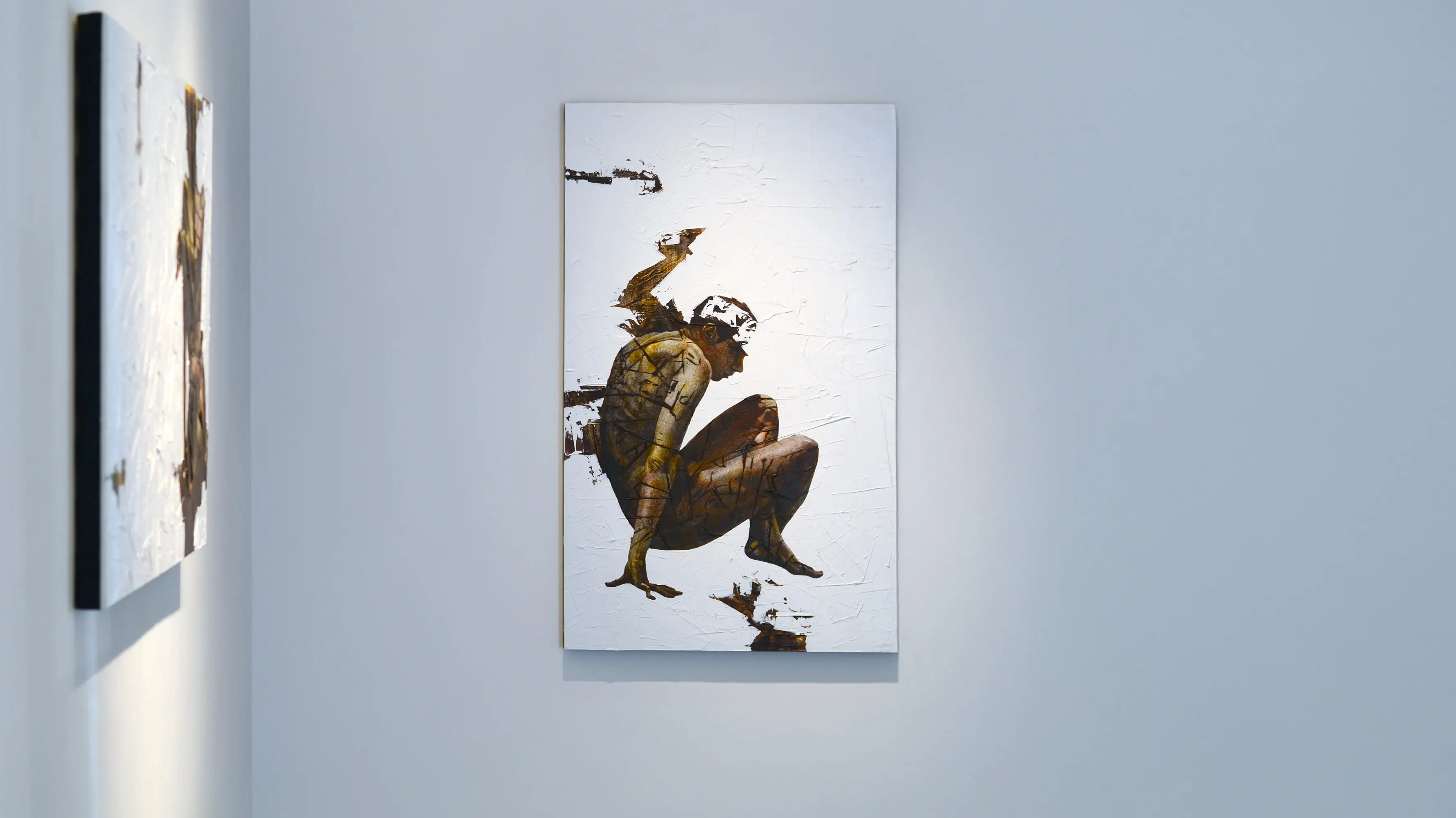
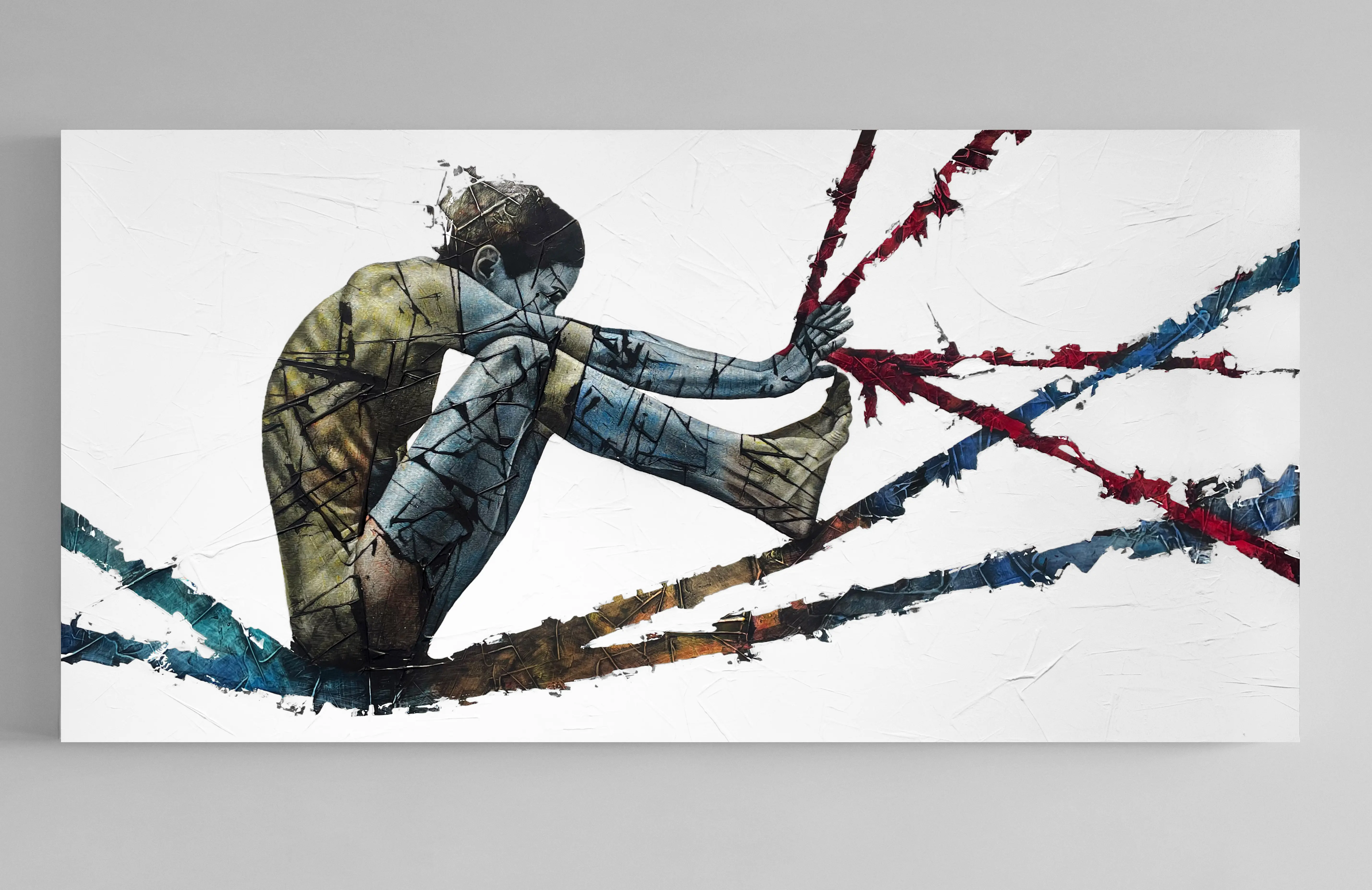
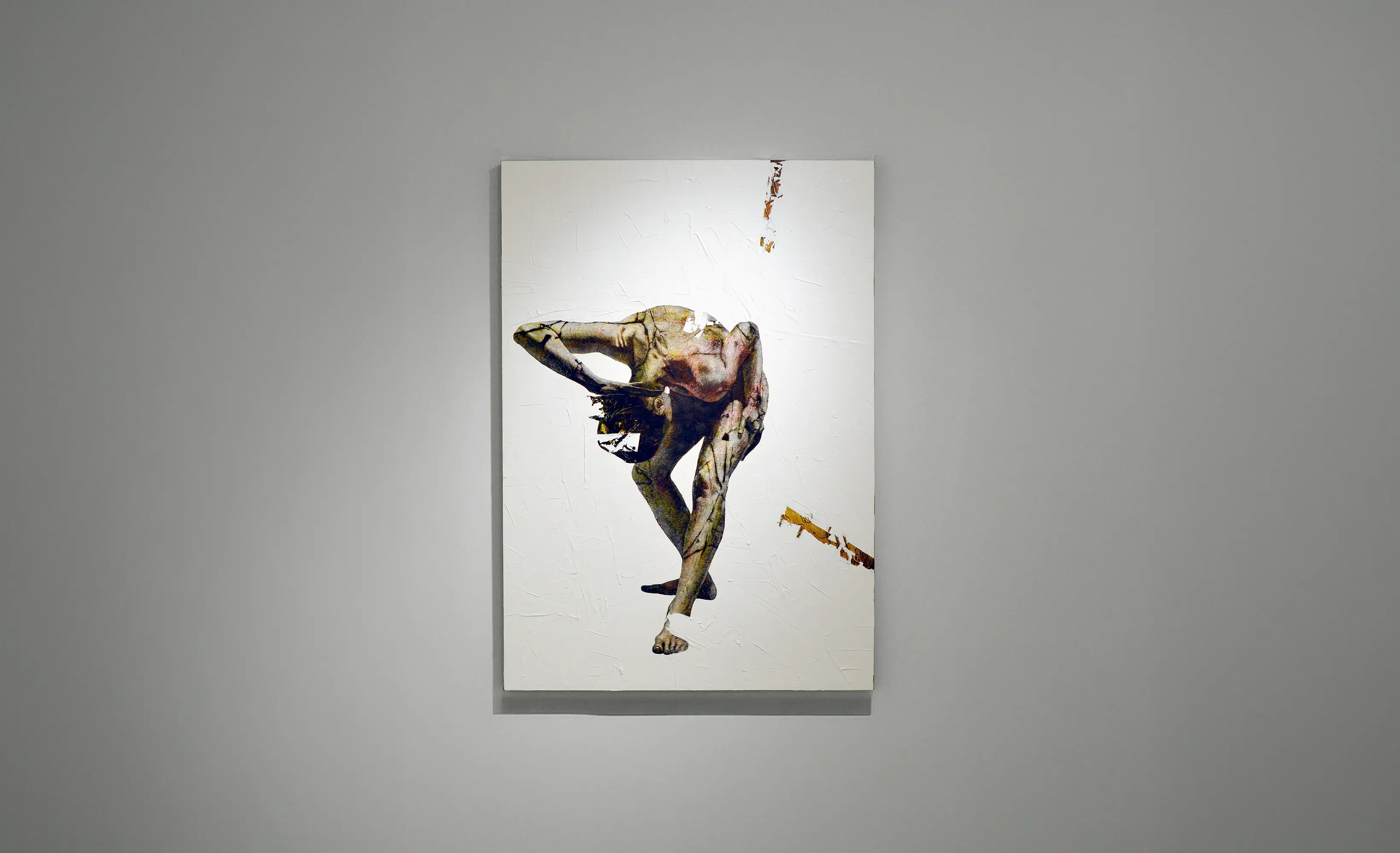
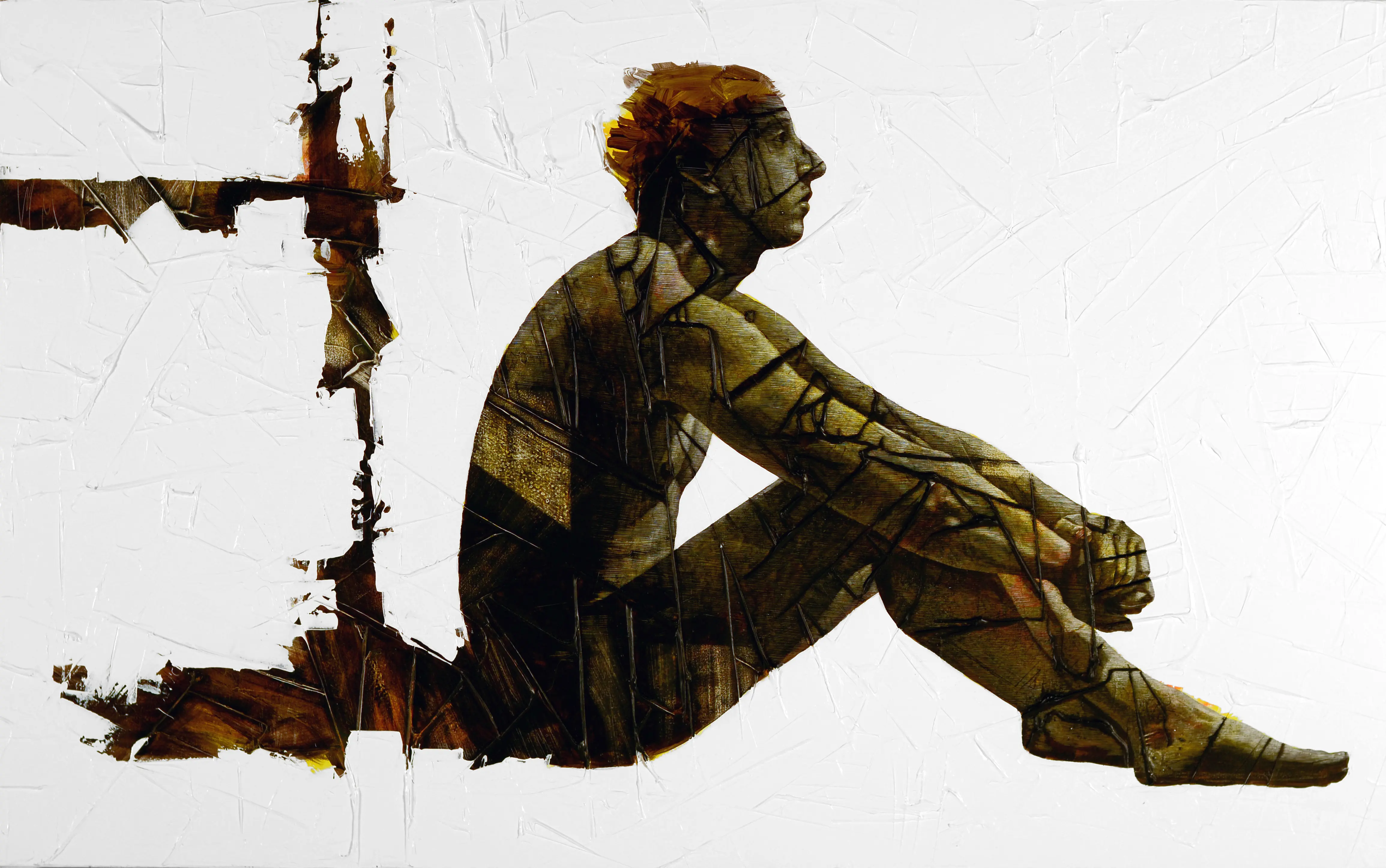
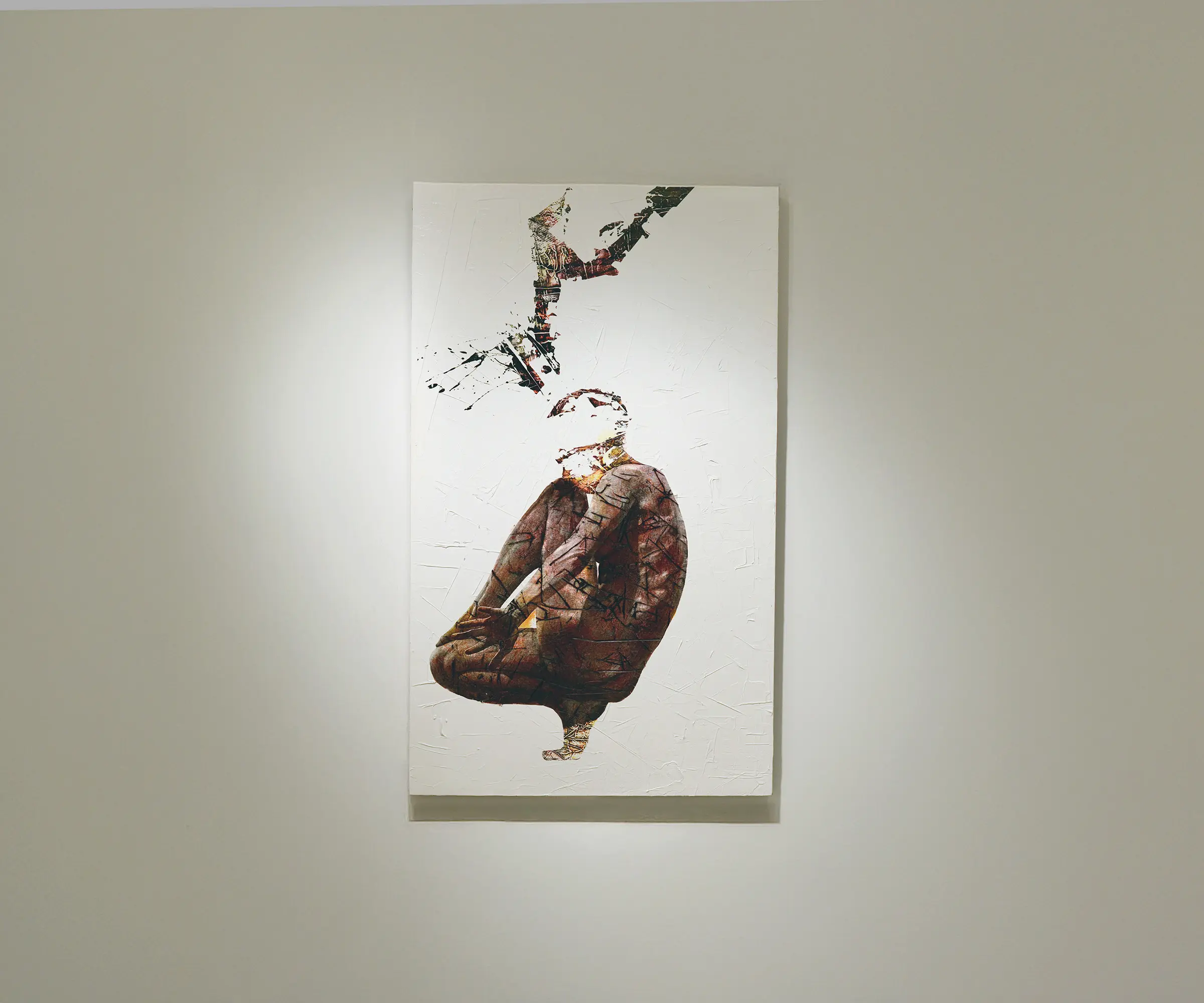
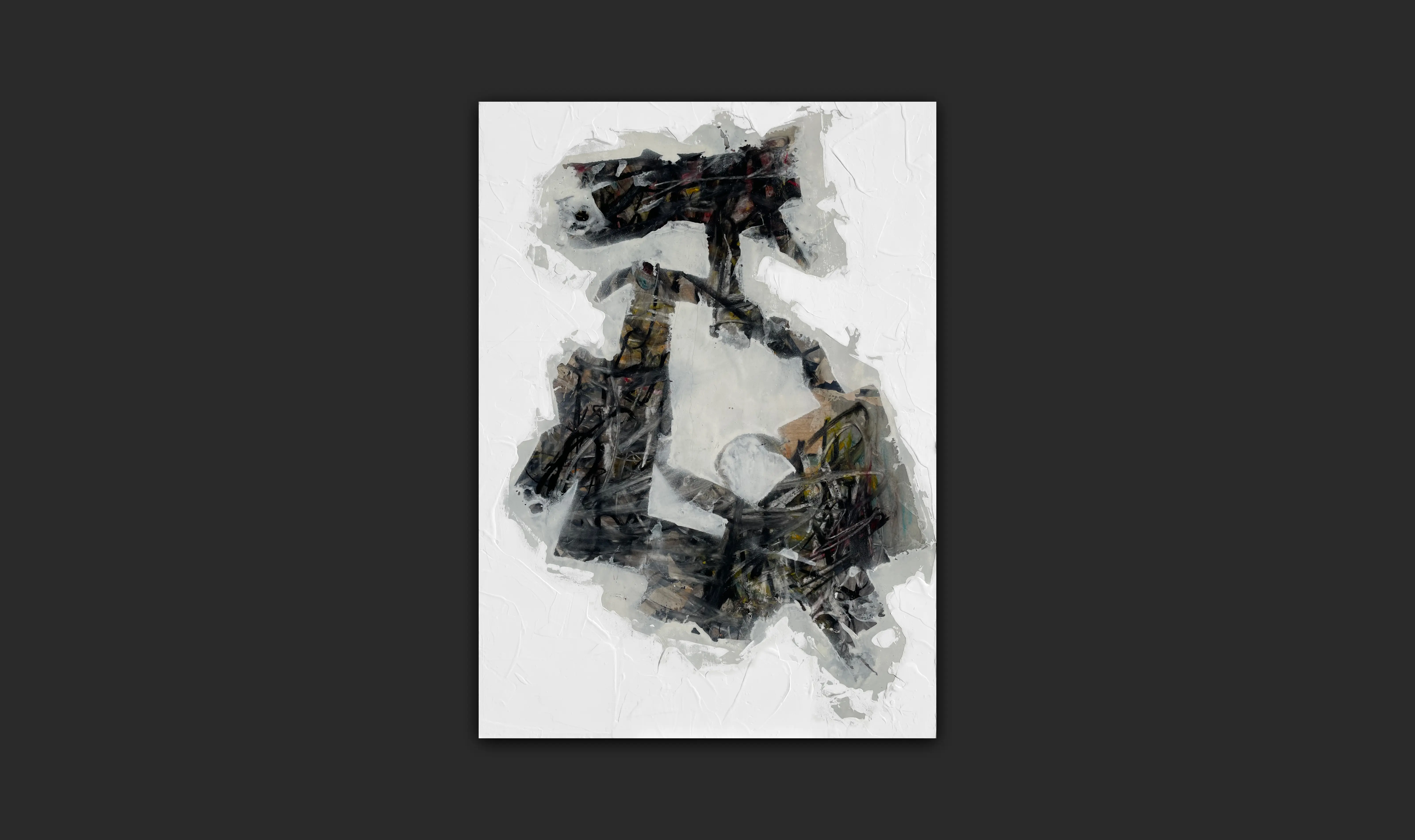
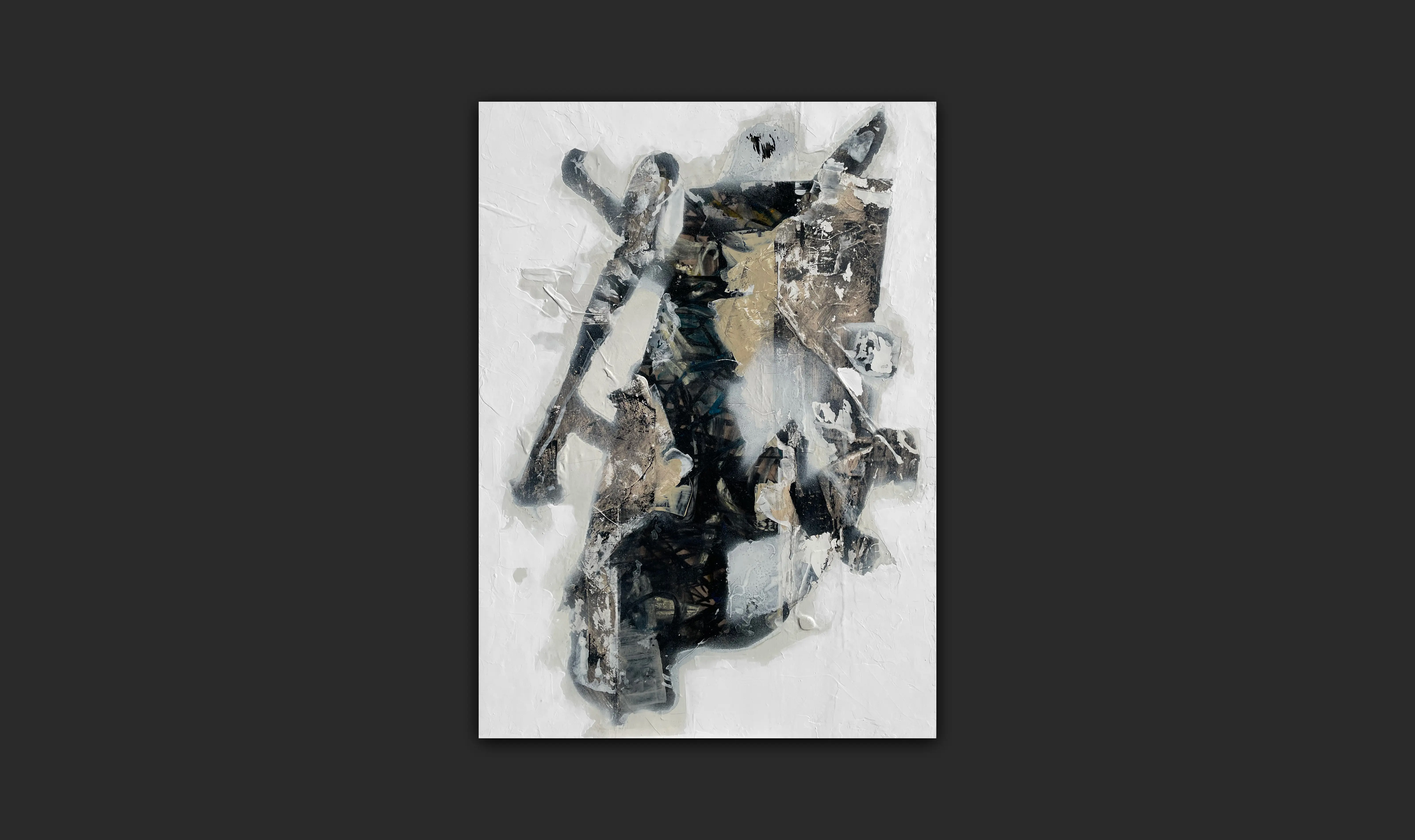
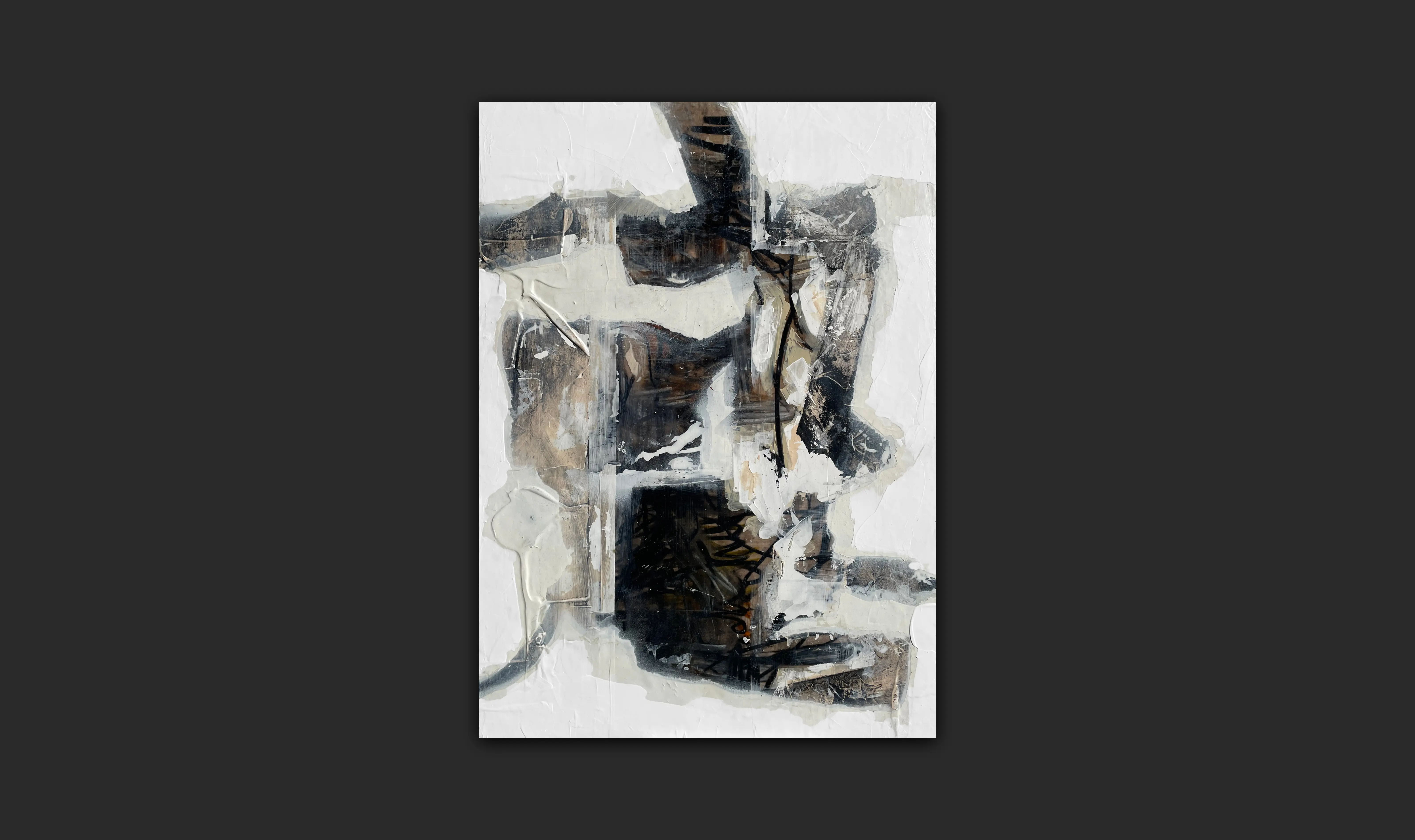
In my figurative acrylic paintings, I employ the anatomical body as a living historical idiom, a carrier of the weight of a collective past. Using a sgrafitto technique, I remove layers of paint to draw out a shoulder or a gaze, line by line. My aim is to reflect the psychological and physiological impact of historical events and the imprints they leave on our individual and shared personas. I edit the heavy texture of the underpainting so that it often remains visible as it traverses the surfacing body. I erase extraneous historical references, including that of the traditional canvas itself, by placing the figure in a background of heavy white paint.
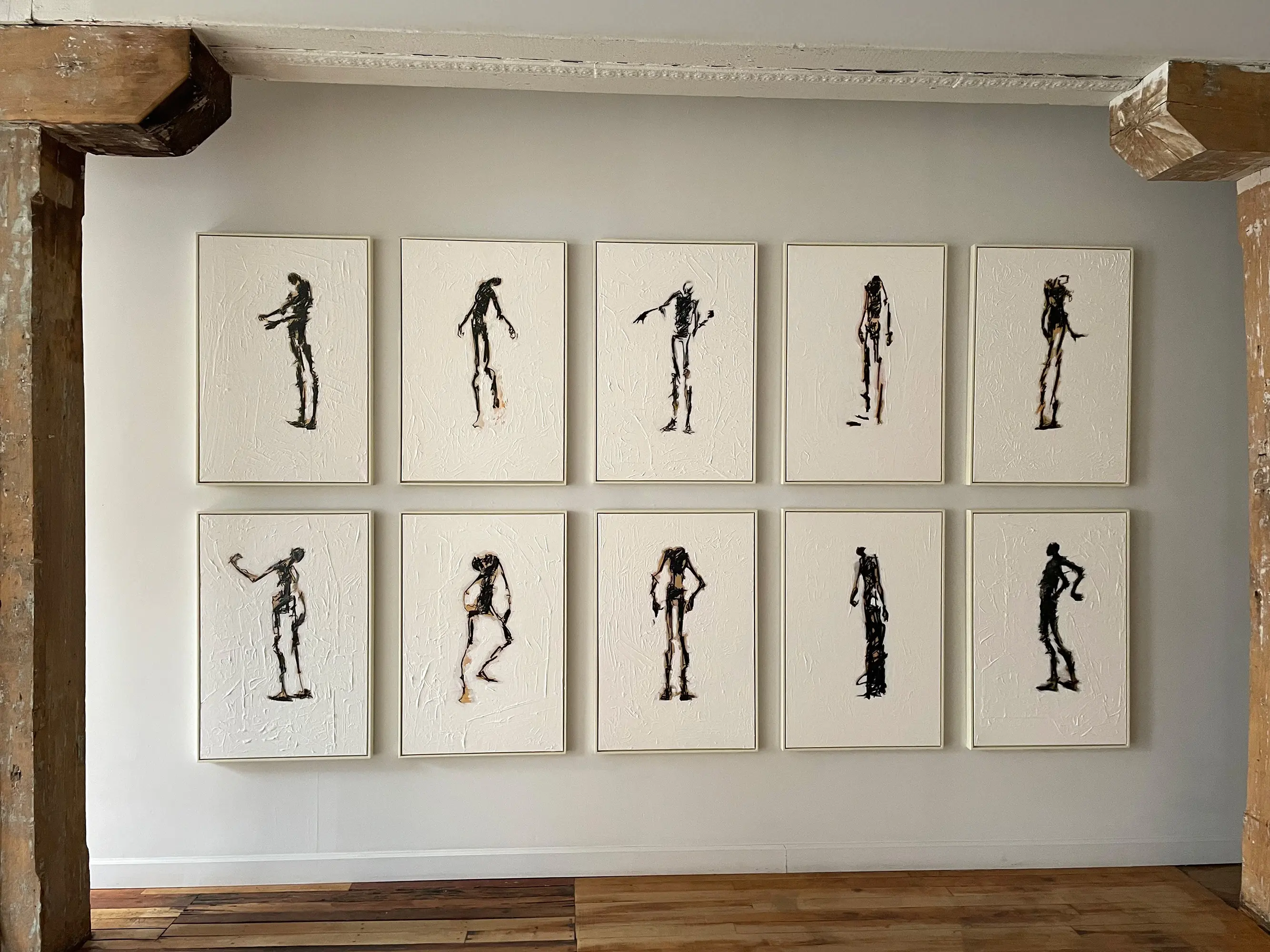
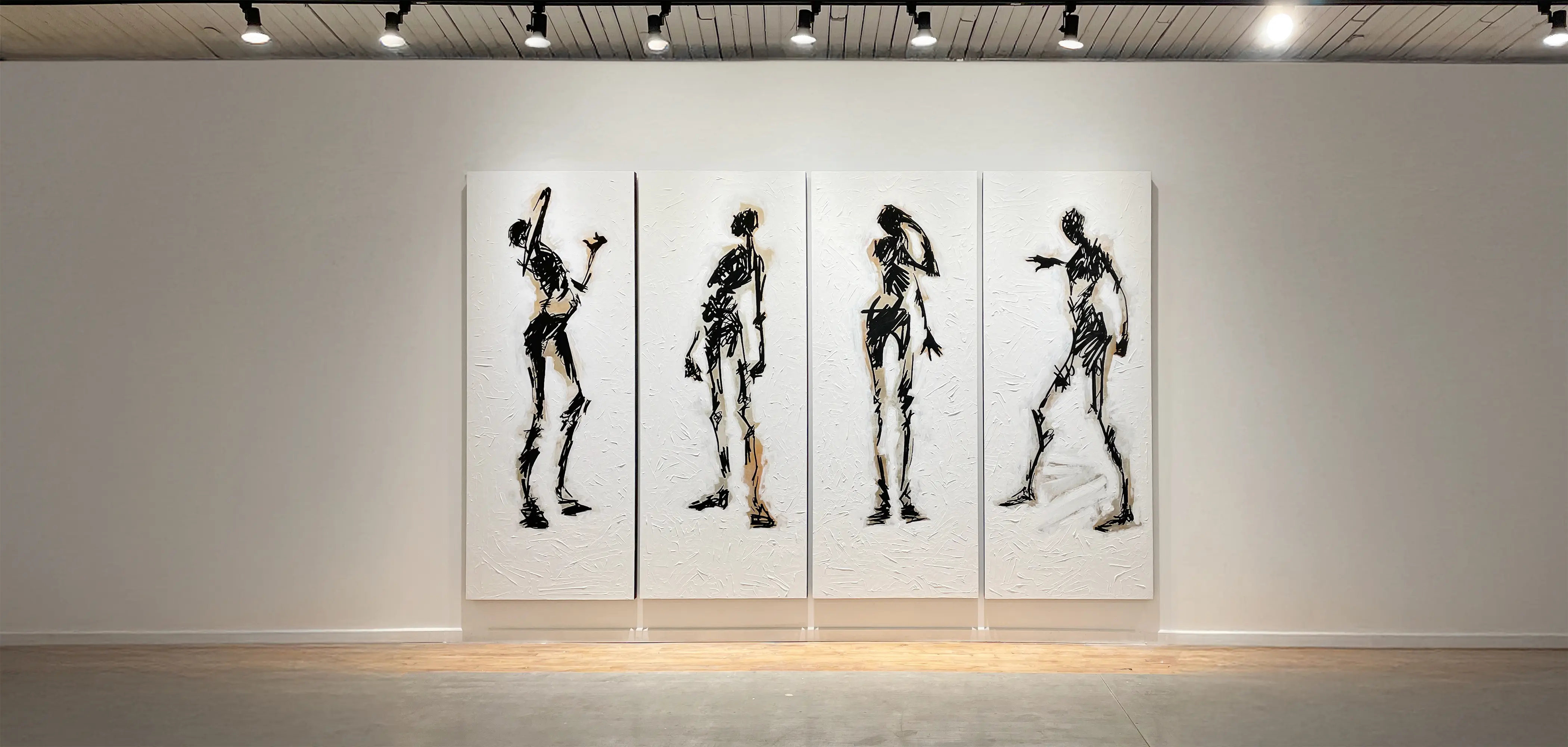
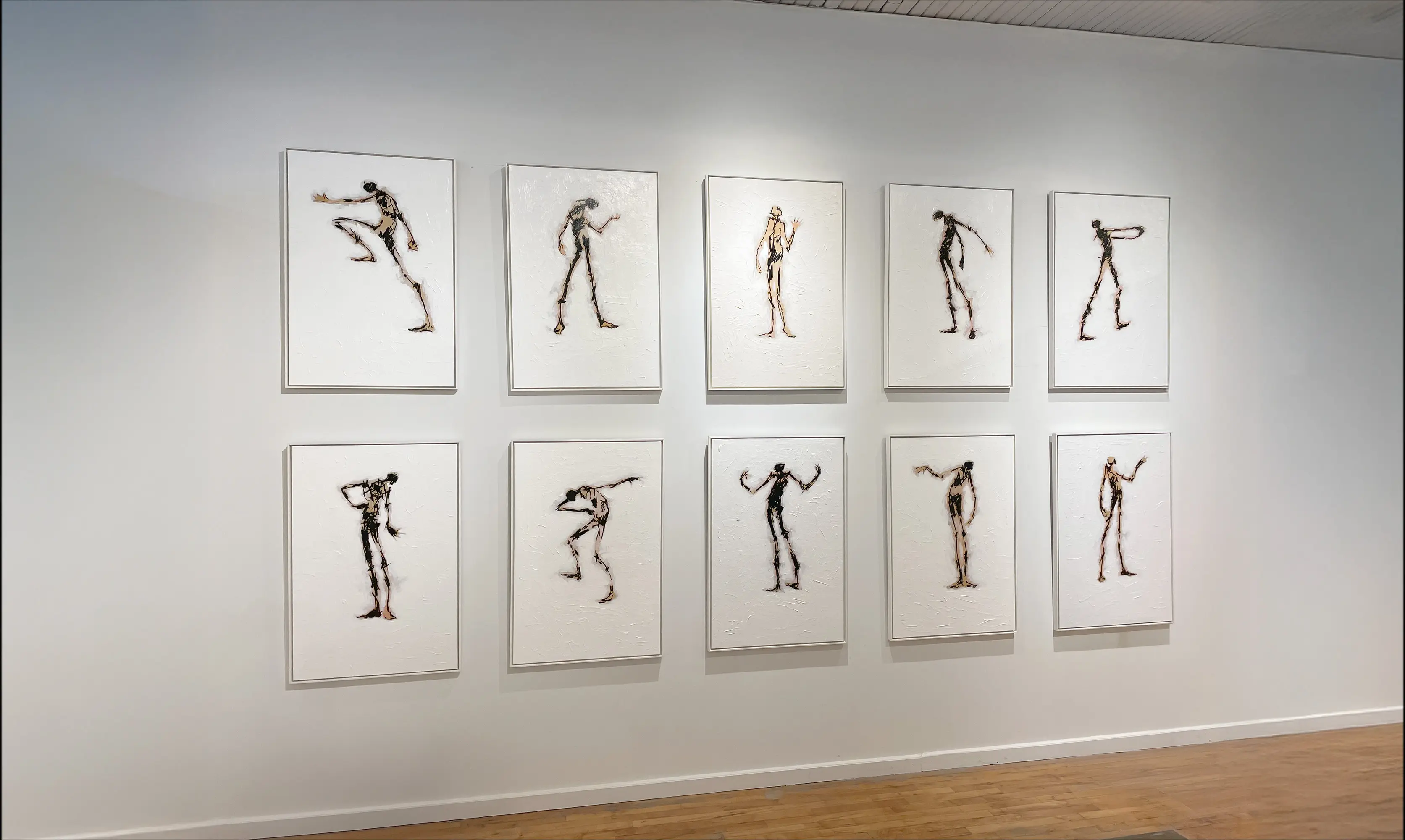
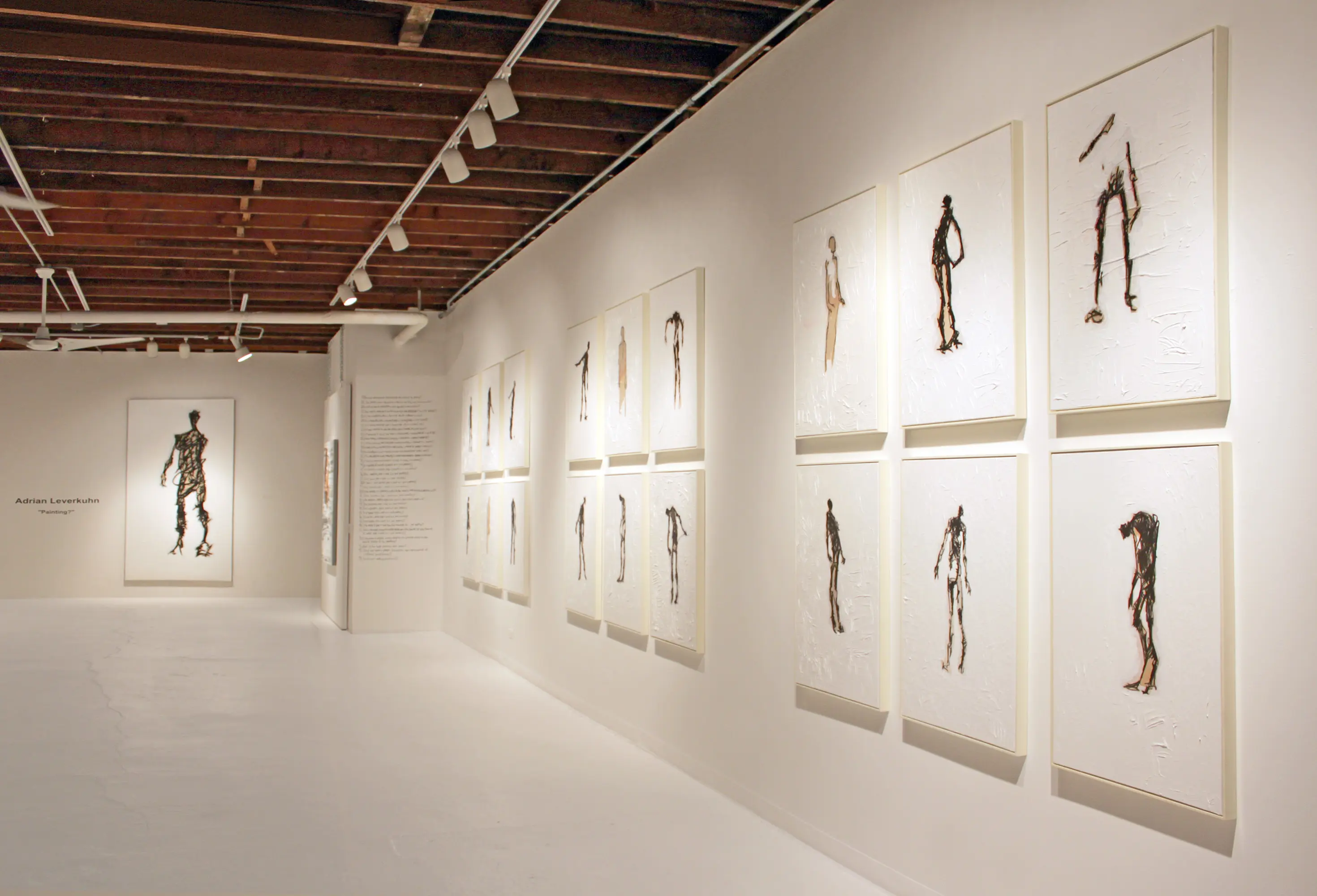
In my charcoal-based paintings, the question of a unit of identity is posed in the other direction. I probe the point at which simple marks, lines and smudges coalesce to form the perception of a body. These works came out of the worlds of William Kentridge, Alberto Giacometti, and Kaethe Kollwitz. This series is an exploration of the limits of our visual vocabulary and the potency of suggestion in art, through charcoal and white paint. I am captivated by the balance between the familiar and the alien, and the remarkable range of expressions that can emerge from their interplay.
I collaborate with artist communities in Europe and the US. These connections provide me with unfamiliar perspectives and common causes. As an artist, a techie, an immigrant and an expat, I aim to reveal the nuances that lie beneath the surface of our quantified lives.
2023 A Cosmology of You - Alma Art, Chicago
2022 Zorra - Arroz Estudios, Lisbon
2019 Fluid Alliances - Thomas Masters, Chicago
2018 Light Touch 2 - University Club Of Chicago, Chicago
2017 Light Touch - Thomas Masters, Chicago
2016 This Side of the Mountain 3 - Thomas Masters, Chicago
2015 This Side of the Mountain 1 - Thomas Masters, Chicago
2015 Sound for Marco Nereo Rotelli - Parma
2015 Studies of Night and Fog - Thomas Masters, Chicago
2014 Painting? - Thomas Masters, Chicago
2013 Isomorphica - Thomas Masters, Chicago
2013 Divina Natura - Field Museum, Chicago
2012 The Age of Treason - Thomas Masters, Chicago
2011 Shapes in the Water - Thomas Masters, Chicago
2010 Palimpsest - Thomas Masters, Chicago
2005 Deviation 05 - New Context, Chicago
2004 Standard Deviation - Texas Ballroom, Chicago
2003 Quadtone - Texas Ballroom, Chicago
2024 Connections - Zhou B Art Center, Chicago
2022 Currents New Media, Santa Fe
2022 Luz - Jo-hs Gallery - Mexico City
2021 Rare Effect - Arroz Estudios, Lisbon
2020 Gruen Galleries - Chicago
2016 Babel - Galerie Garnier-Delaporte, Chavignol, France
2015 Babel - Thomas Masters, Chicago
2015 Life Lines - Thomas Masters, Chicago
2013 Progetto Milano - Thomas Masters, Chicago
2013 20 Years - Thomas Masters, Chicago
2012 University Club of Chicago, Chicago
2008 15 Years - Thomas Masters, Chicago
2006 Kasia Kay Art Projects - Chicago
2006 Nova - Chicago
2006 Scope - New York
adrian leverkuhn was born in 1980, studied at the school of the art institute of chicago, and is currently living and working in SibiuChicagoLisbonMexico CityParis
Upstate NY.
The paintings in this cycle are based on events and ideas that leave significant marks on our collective and individual bodies. They are rendered using sgraffito, in acrylics on canvas. Sgraffito is a technique where a surface is scratched to reveal what lies underneath. It was used in the illumination of manuscripts, as well as in architectural decoration during the Renaissance, and in Islamic pottery. For my purposes, the meaningful part is that the process is subtractive, rather than additive.
There are three bodies of work in this cycle: Palimpsest+, The Age of Treason+, and Isomorphica+.
For current works, please see this page+.
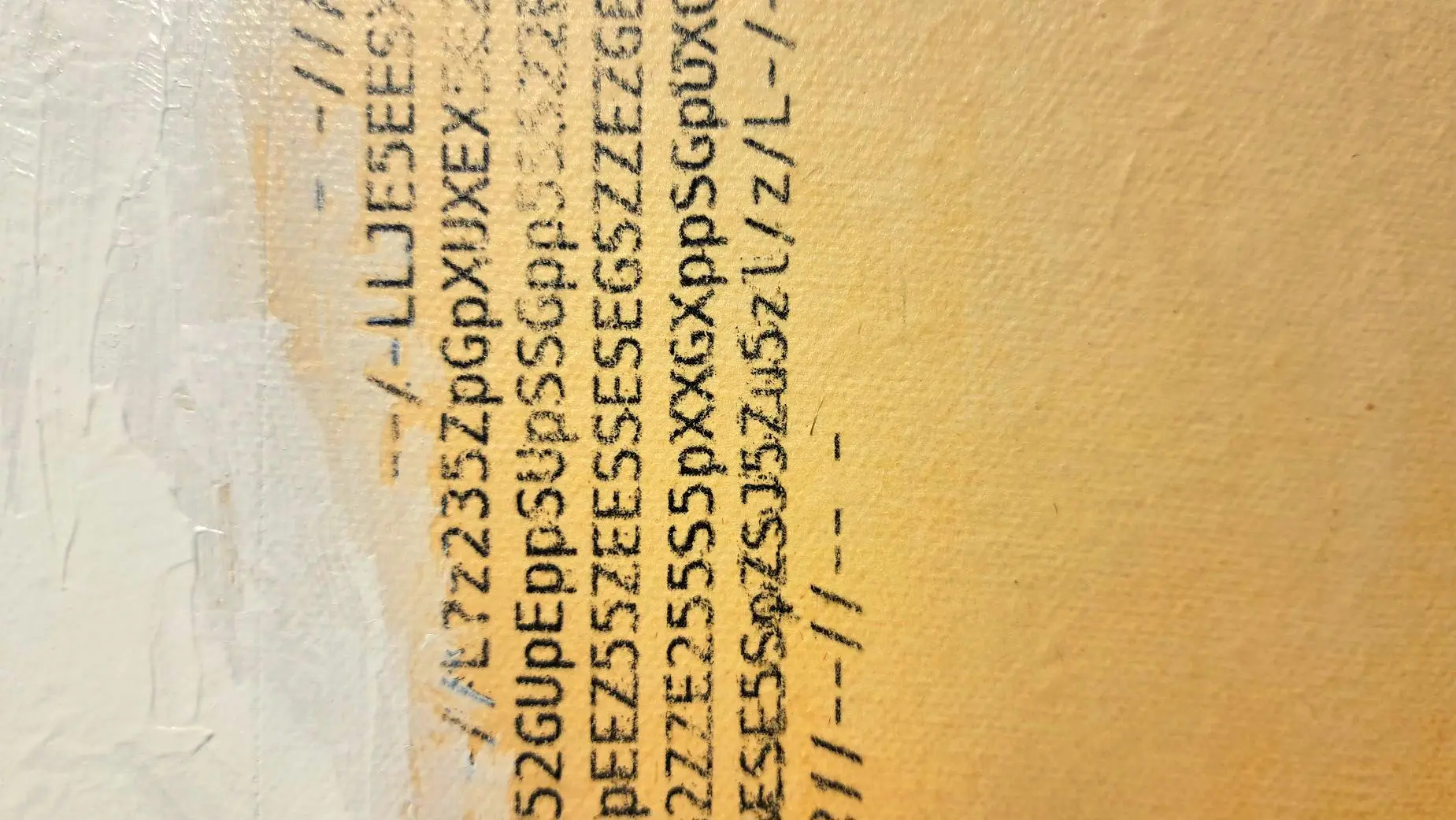
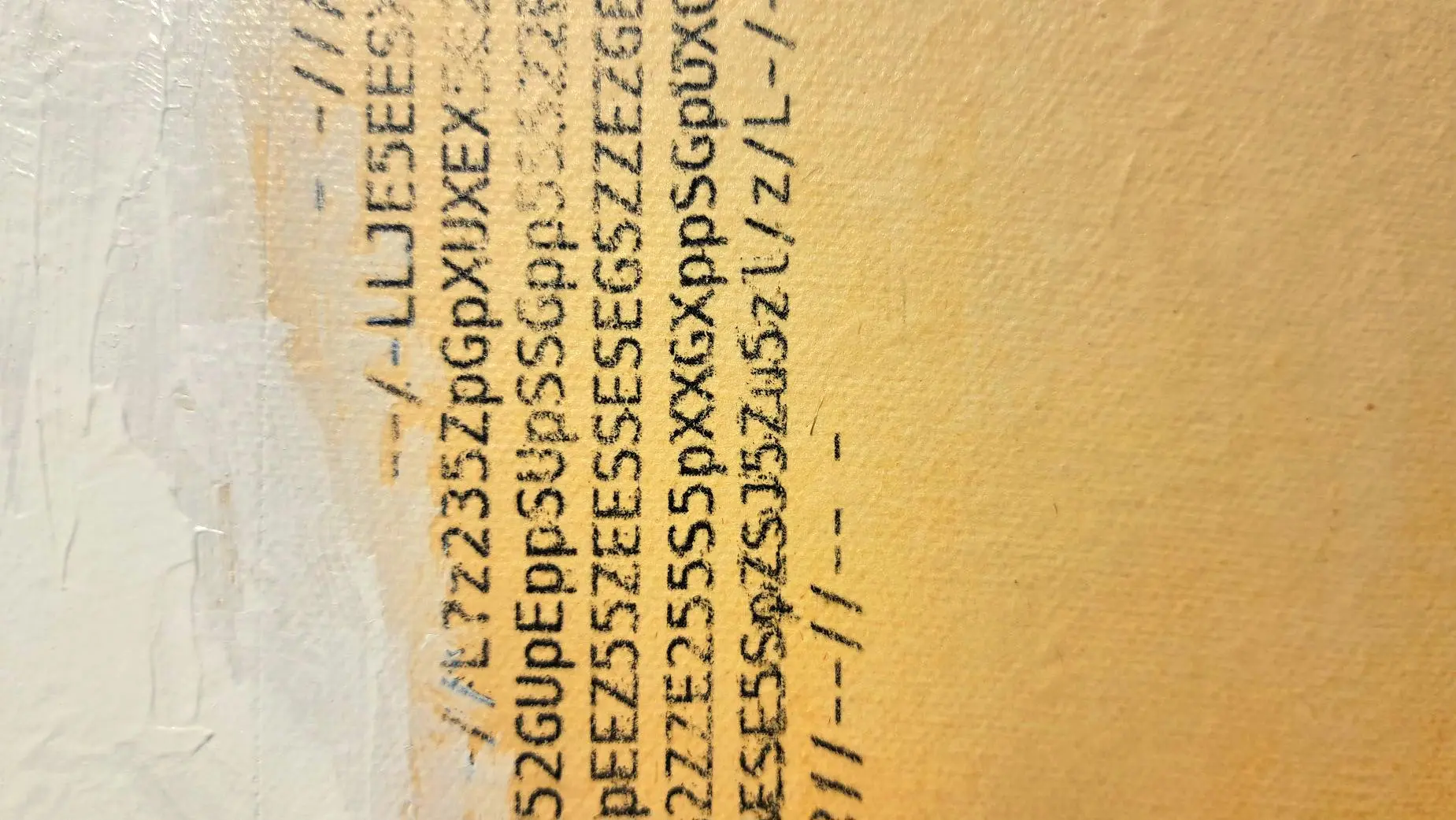
These paintings contain executable computer code. For example, a script for sed, the text manipulation program written in the mid 1970s at Bell Labs. The code painted on one canvas will substitute certain words in Niccolo Machiavelli's "The Prince": state and city with network; nobles and barons with syndicate; and prince with algorithm. The code is first transfered to newsprint, the formerly ubiquitous news delivery vehicle. This cycle speaks directly to coders, who, in aggregate, have touched the lives of most of us alive today.
In 2011, a fire destroyed a studio in Chicago's Uptown neighborhood. A stack of old charcoal drawings on newsprint survived. They became the seed for this body of work.
For current works and a comprehensive look, please see this page+.
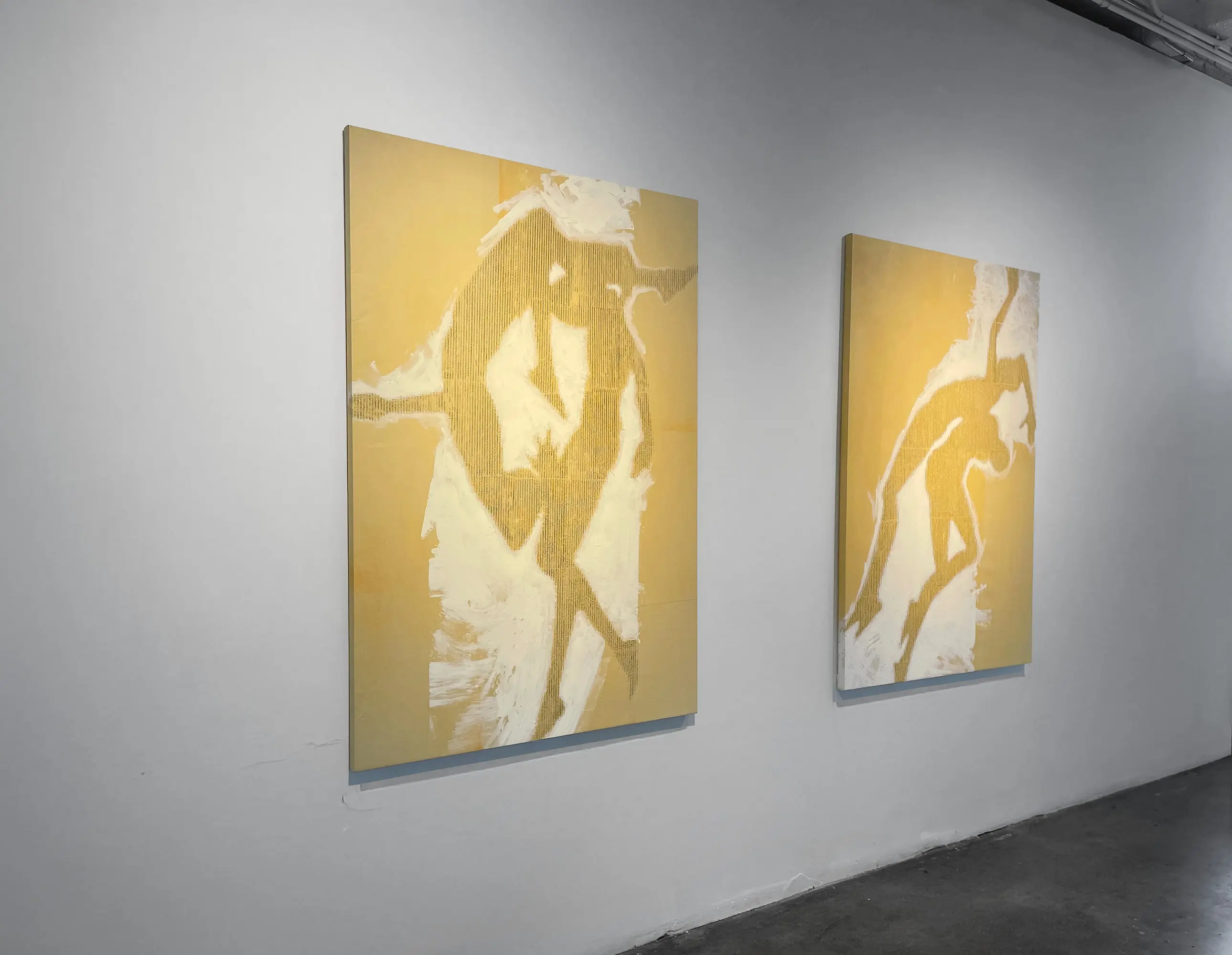
These artworks simulate complex adaptive systems, such as those found in natural ecosystems, our bodies, or our relationships. Two human silhouettes move and collide on the surface of a canvas-like, self-contained object, powered by an integrated computer running custom software. The figures play out distinct stories through the nearly infinite scenarios that unfold. Once started, the movements are impossible to predict and very unlikely to repeat. These installations are designed to run continuously.
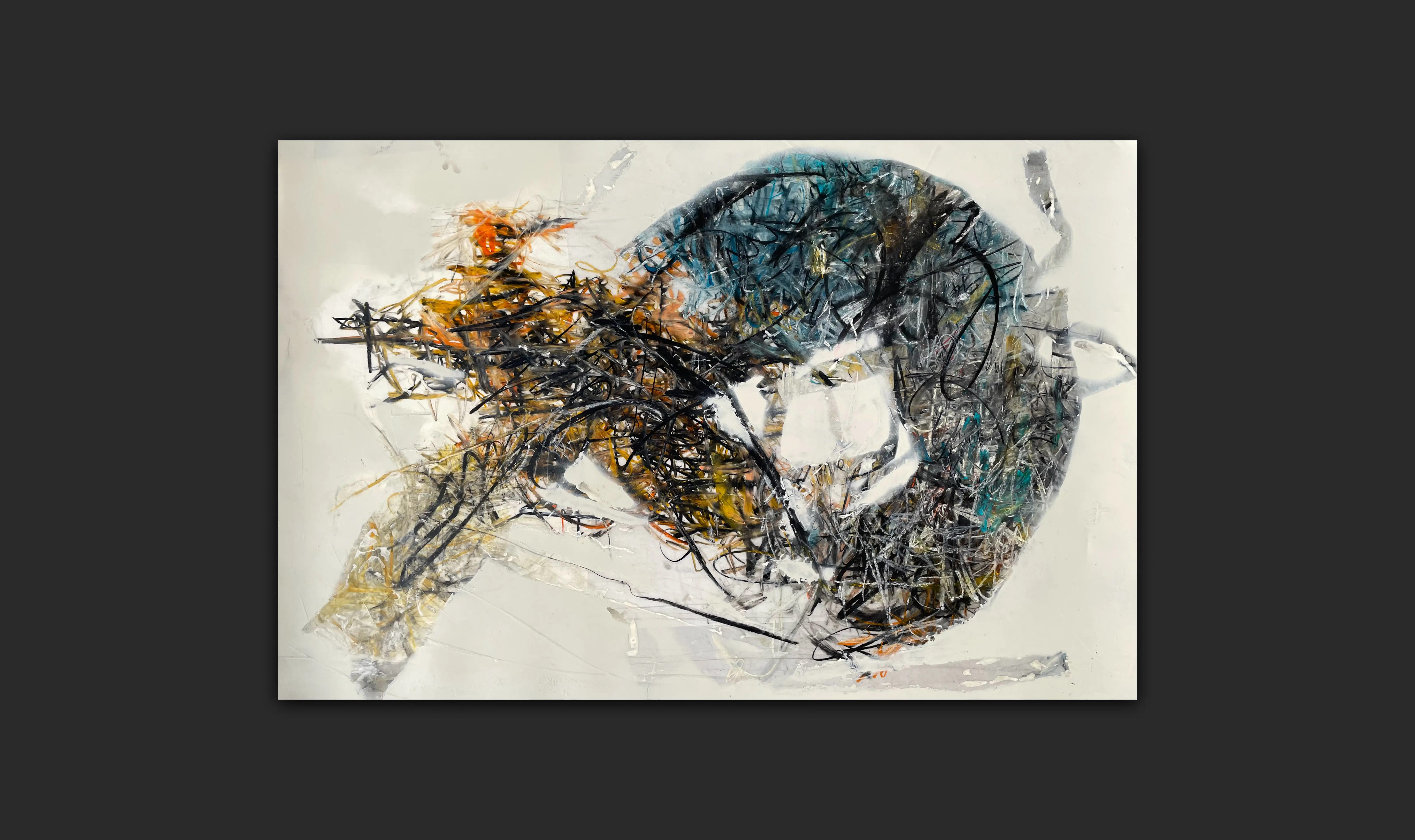
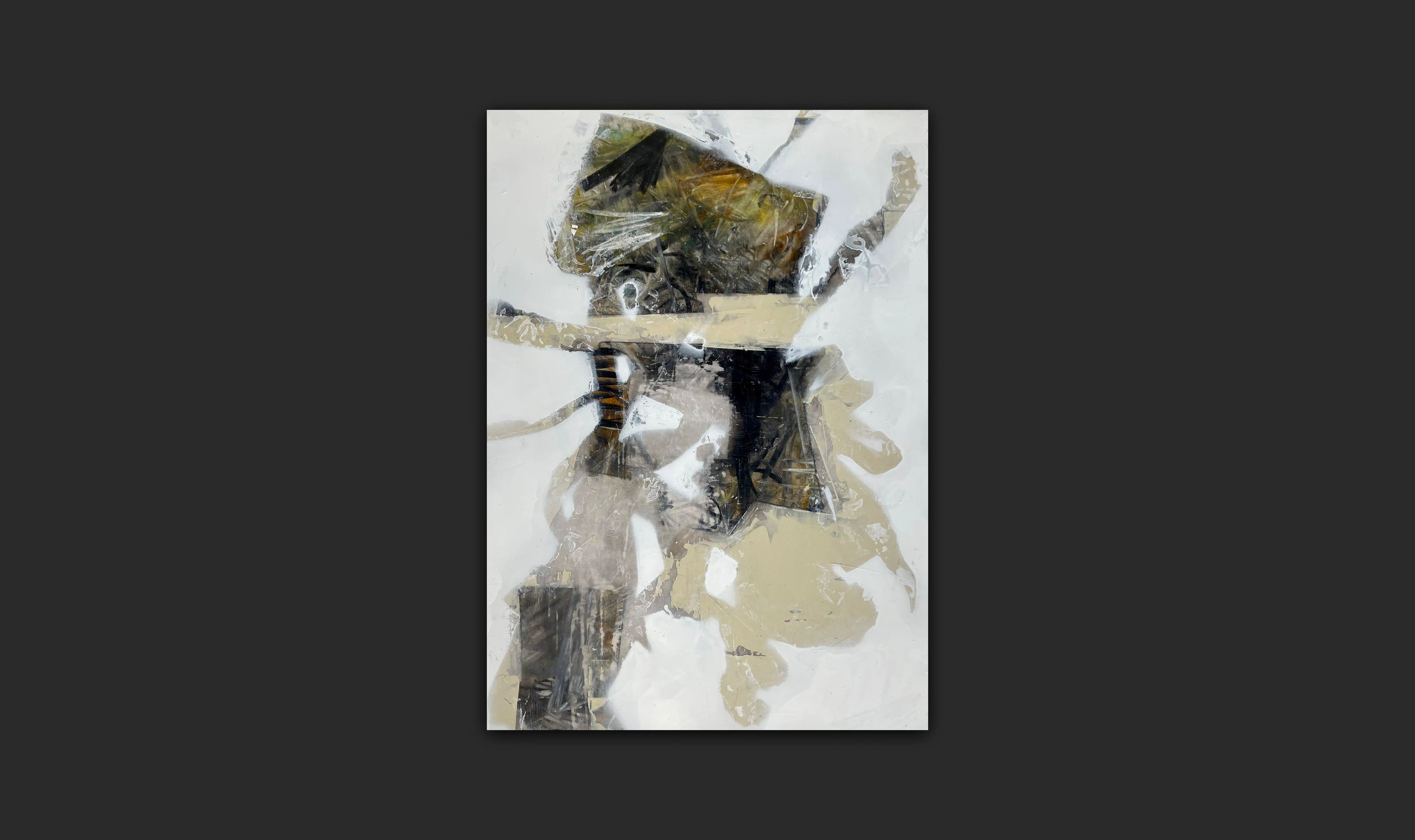
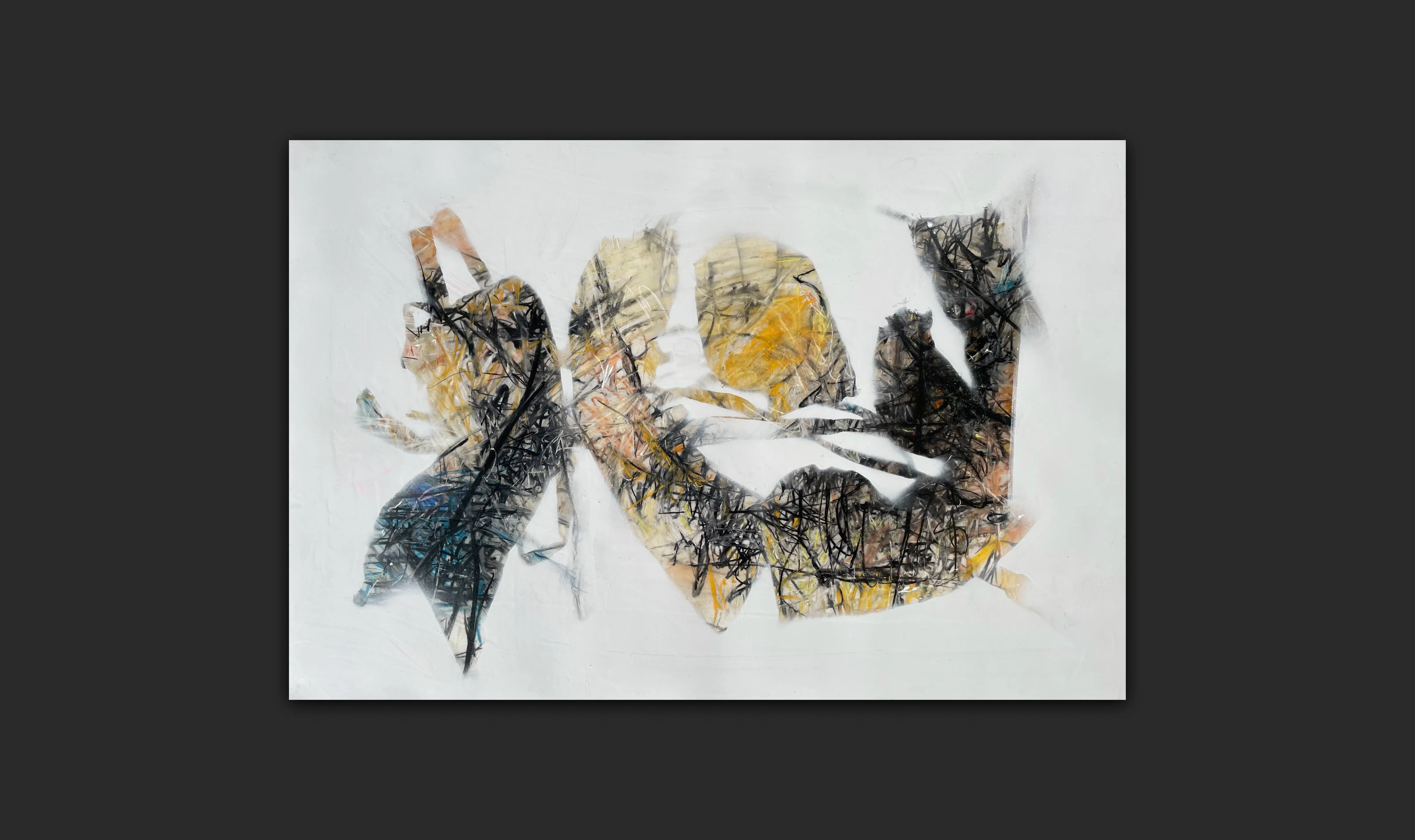
A long running inquiry into the Abstract Expressionist messaging about the sublime. Based mostly on the writings of Robert Motherwell and Barnett Newman, these pieces can be seen as conversations between me and idealized versions of the American artists of the fifties. They are primarily made on mylar sheet, using dry pastels, charcoal, acrylics, and spray paint. Each piece starts with a written phrase, which then evolves into utter ineligibility and sometimes beauty. The phrase is available by request.
With some research support from the Dedalus Foundation. Please see this page+ for current work.
Paintings inspired by the the demoscene, a subculture made up of groups and solo artists engaging in competition and collaboration on technical and artistic projects. Members often obfuscate their digital footprint to adhere to an ethical code that developed independently of the mainstream internet, a practice that has been ongoing since the mid-to-late-nineties. In the "scene," there is a strong emphasis on challenging technological constraints, some of which were cemented in its early days. Making images out of ASCII characters (letters and numbers) is one of its staples.
As to why, this is my way of bringing an obscure, software-infused world into the realm of painting and galleries.
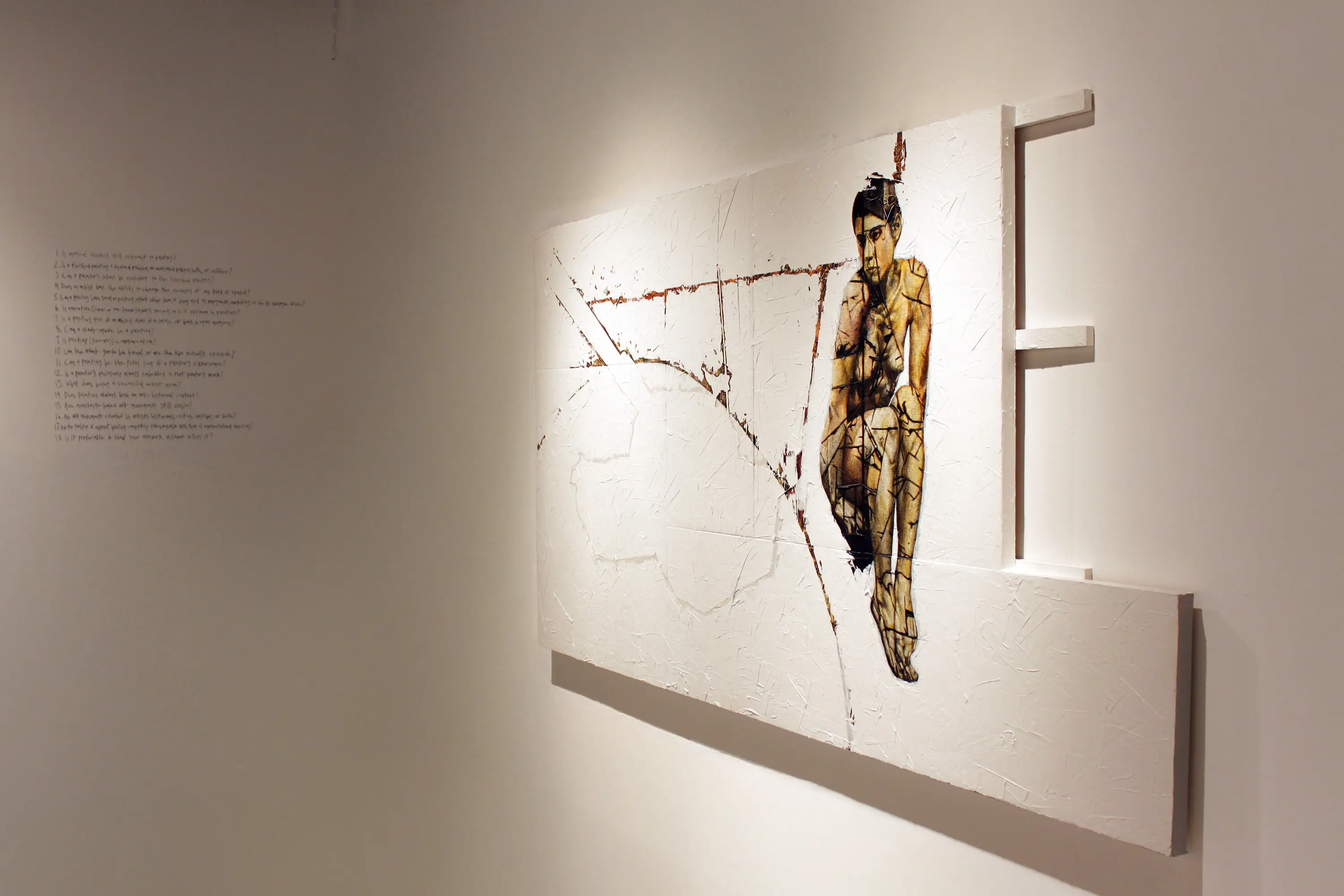
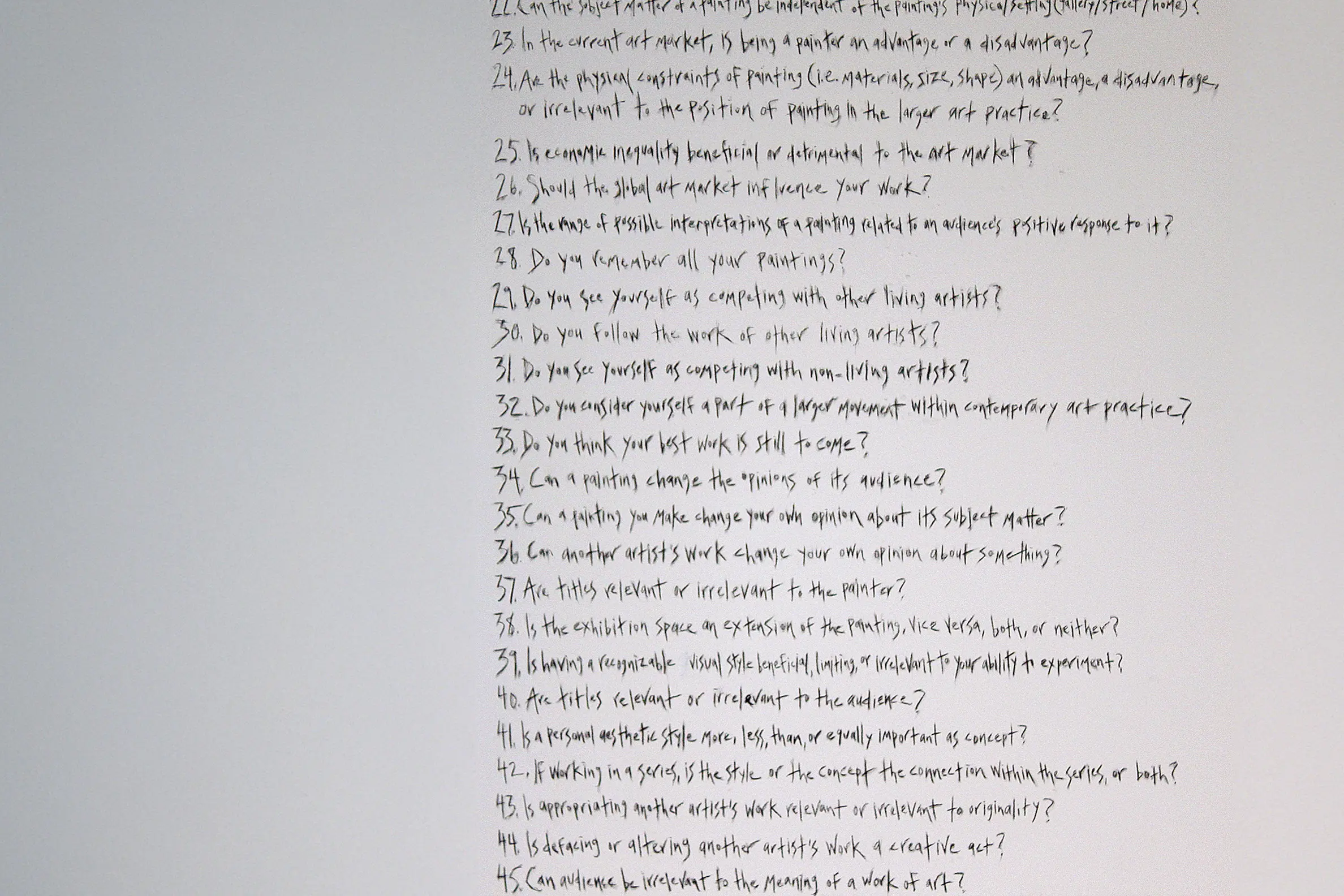
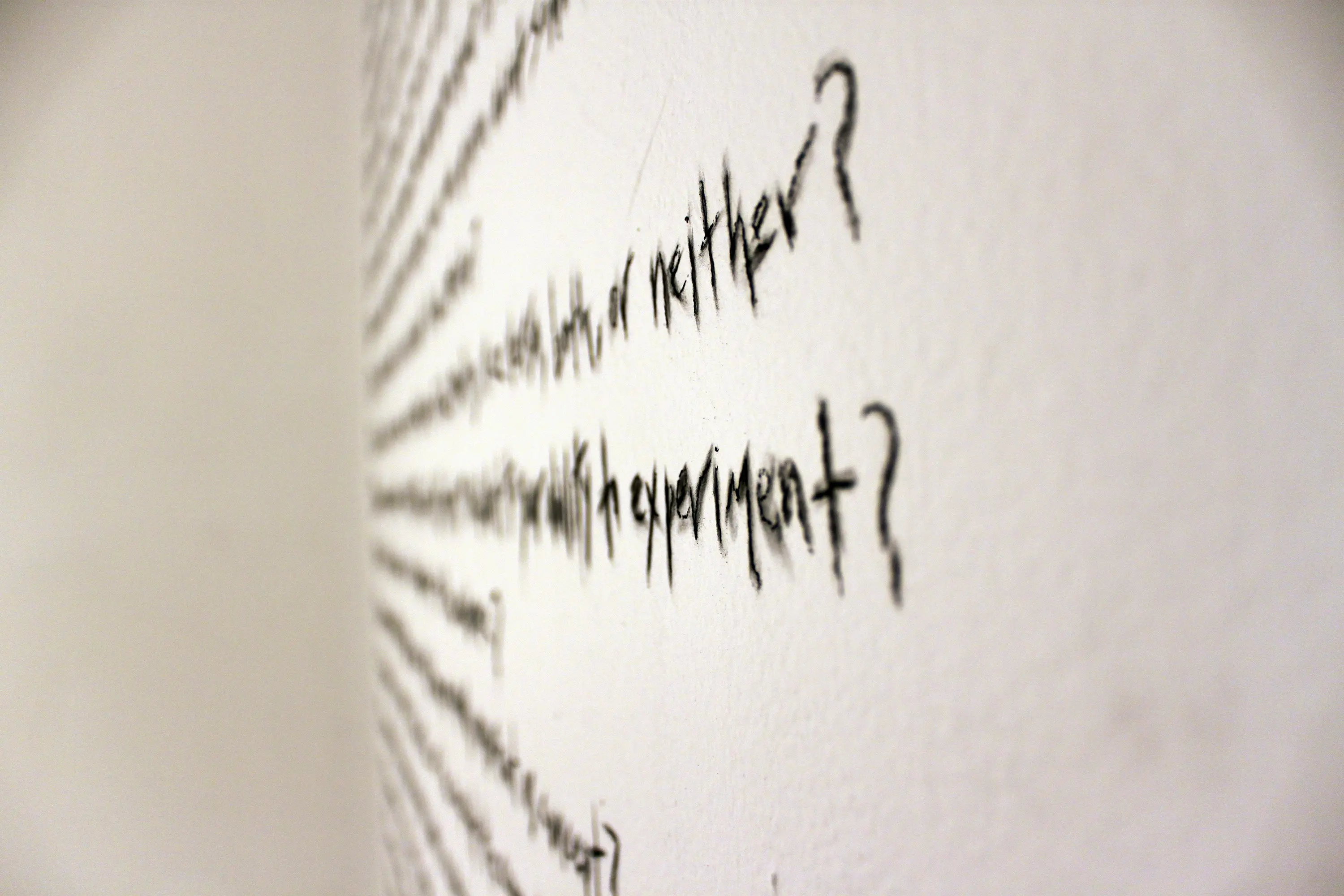
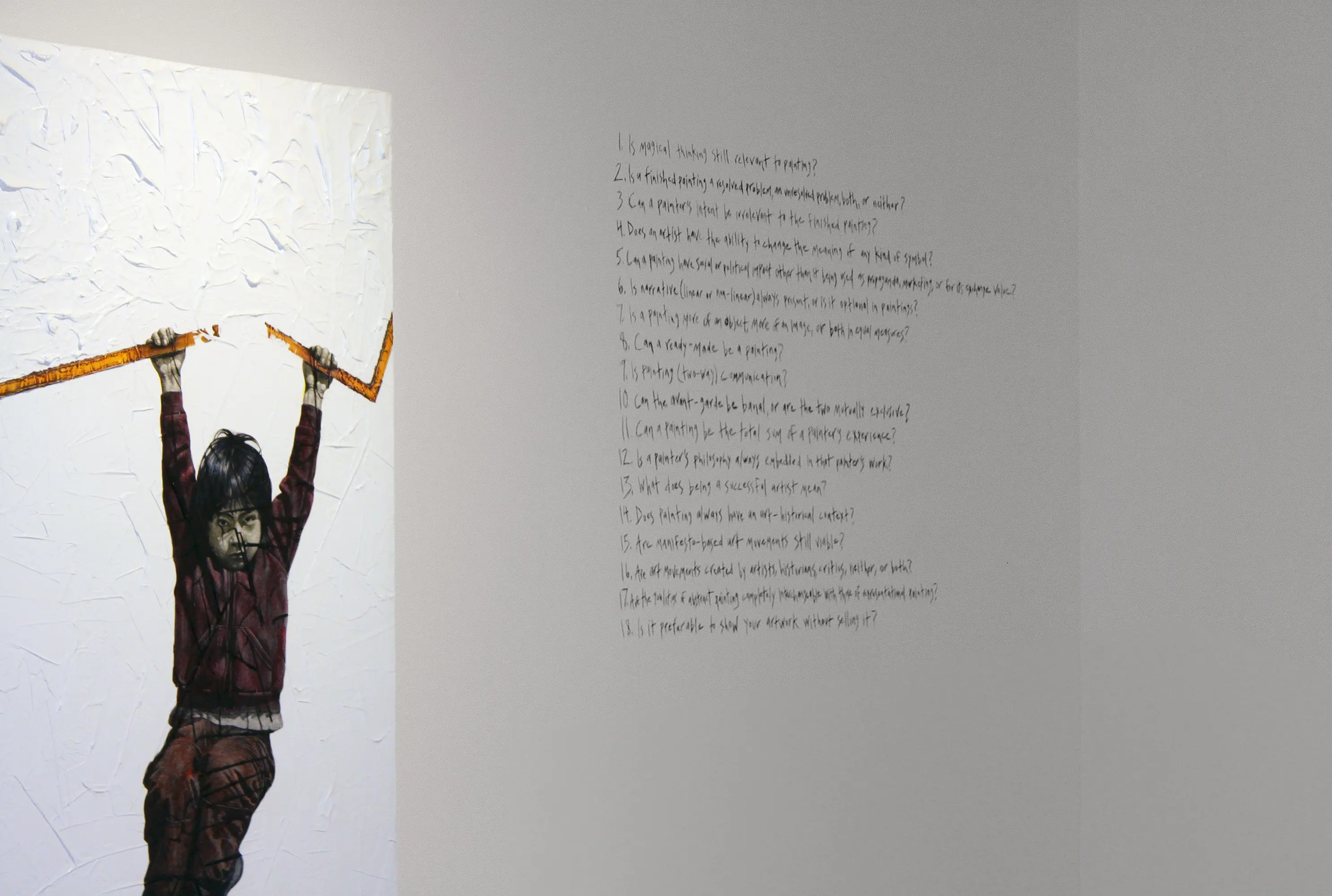
This project was built on an investigation into how we define, value, and use art. Ninety-four questions about painting, as proxy for all art, were written on the gallery walls. A selection of my own answers were made concrete as artworks, inside and outside of the gallery. The resulting message was that painting is not a unitary category, and that most nontrivial questions about art can only provide the axiology of the examined.